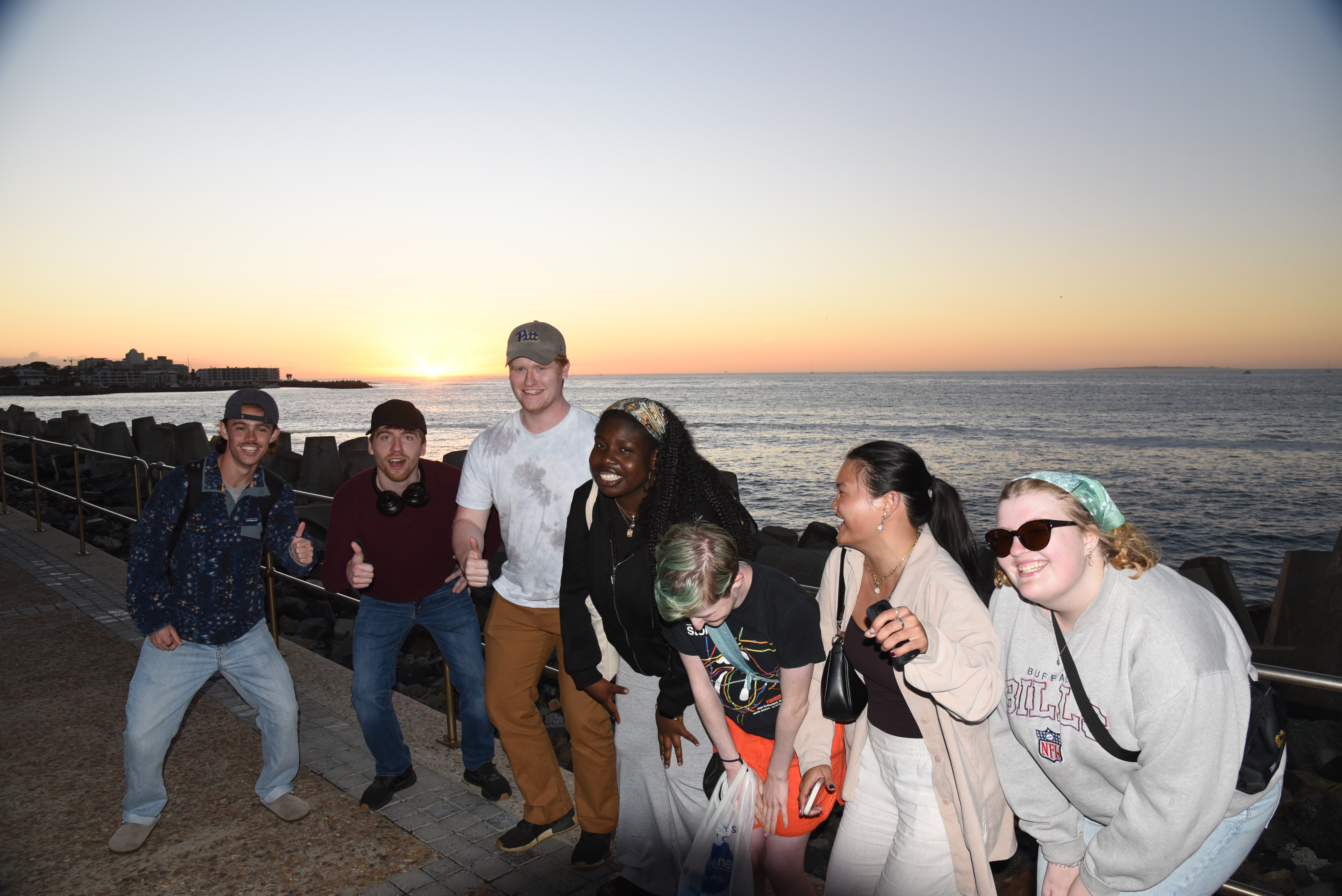
Sunset at V&A Waterfront.
1 media/DSC_8275 (1)_thumb.JPG 2024-10-17T22:51:40+00:00 Maya Valletta b68df8f5dff382f6e4992dd93579d9a77b19f3e3 1 1 plain 2024-10-17T22:51:40+00:00 Maya Valletta b68df8f5dff382f6e4992dd93579d9a77b19f3e3This page is referenced by:
-
1
media/DSC_8275 (1).JPG
media/DSC_8511 2.JPG
2024-10-17T19:49:52+00:00
History and Present Joy
52
"The old songs, mixed with contemporary African beats, symbolized a blend of history and present joy." Tumi Fadare, Pitt 2025
image_header
2025-05-23T16:33:45+00:00
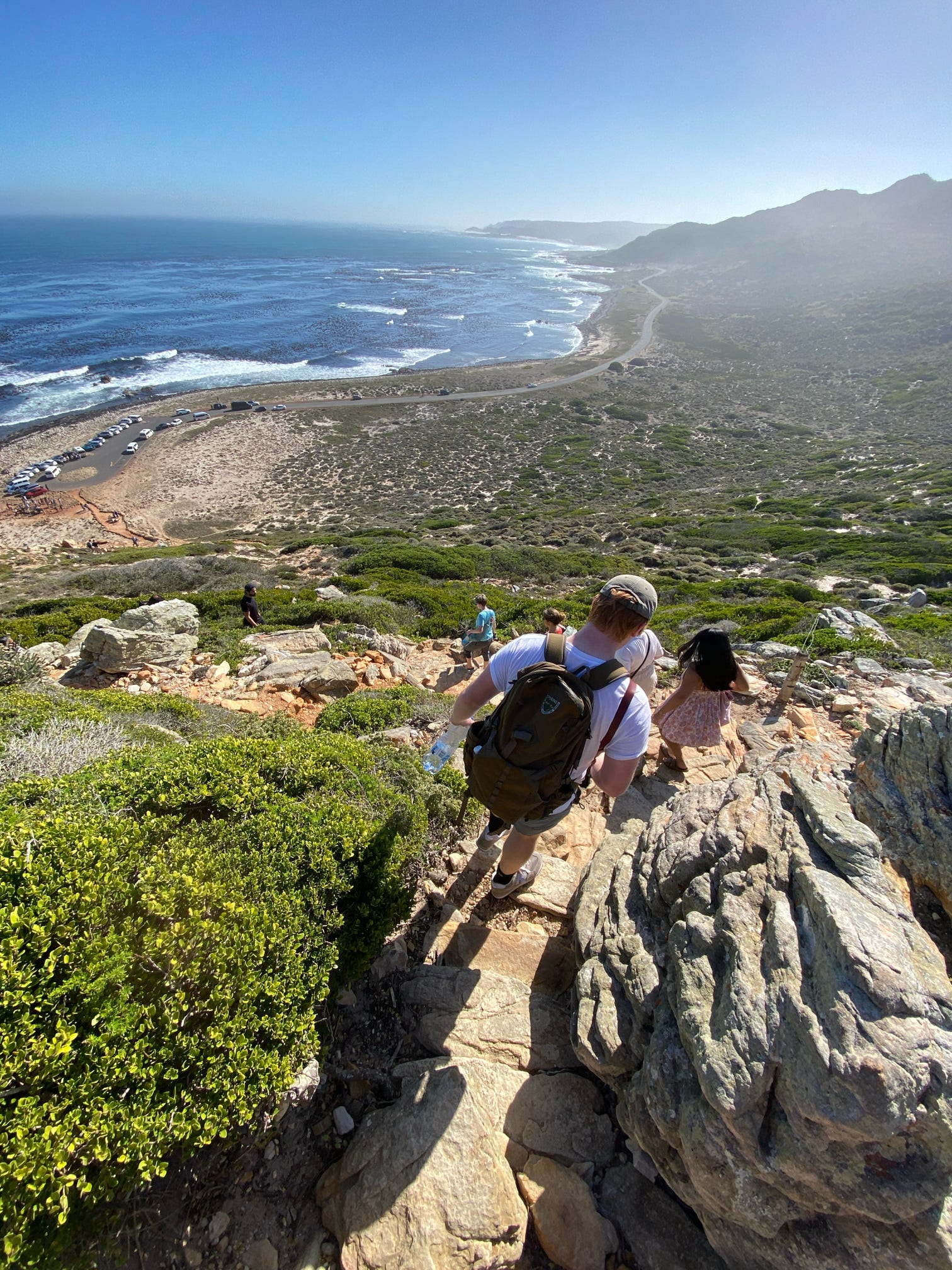
“Once, perched perilously on the rocks, we laughed fondly at the thought of a child. At Cape Point where the oceans meet and part. The Indian and the Atlantic, fighting for their separate identities, roared and thrashed fiercely …. It is said that if you shut one eye and focus the other carefully, the line separating the two oceans may rear drunkenly but remains very clear and hair fine. But I did not look. In the mischievous wind I struggled with the flapping ends of a scarf I tried to wrap around my hair.” Zoe Wicomb
Engaging with social history, politics and culture as visitors is a delicate business. How can we ask questions, observe, make meaning of what we see in the present as we engage with community and governmental institutions sensitive to their portrayals of a past? How can we faithfully explore without consuming what we see, what we hear and admittedly, the adventures we undertake in a new place? The construct of the visitor and the witness allows us to rejoice in joy, beauty and the richness of connections without falling subject to the bewitching temptation of the construct of the exotic in what we experience as new and different.
Derek Graf --My first impression of the class title “Writing as a Witness” was something along the lines of “What does that even mean?” Whatever it was, it sounded serious. I couldn’t help but wonder what I had gotten myself into. Was I going to be reading during all my time abroad? Cooped up in the hotel room, next to a dim lamp with tired eyes, trying to digest a heady philosophical text?
I couldn’t really grasp what the class was about until I talked to Jennifer Keating myself. It was then when she clarified that the class was formatted to put the students in a position where they would be a witness to different facets of South African history and society. While in South Africa, I quickly realized the facets she was referencing were the depressing, albeit highly educational, aspects of the long colonial and bloody apartheid histories. We would learn about the histories and then see the direct effect of said histories right outside the museum doors.
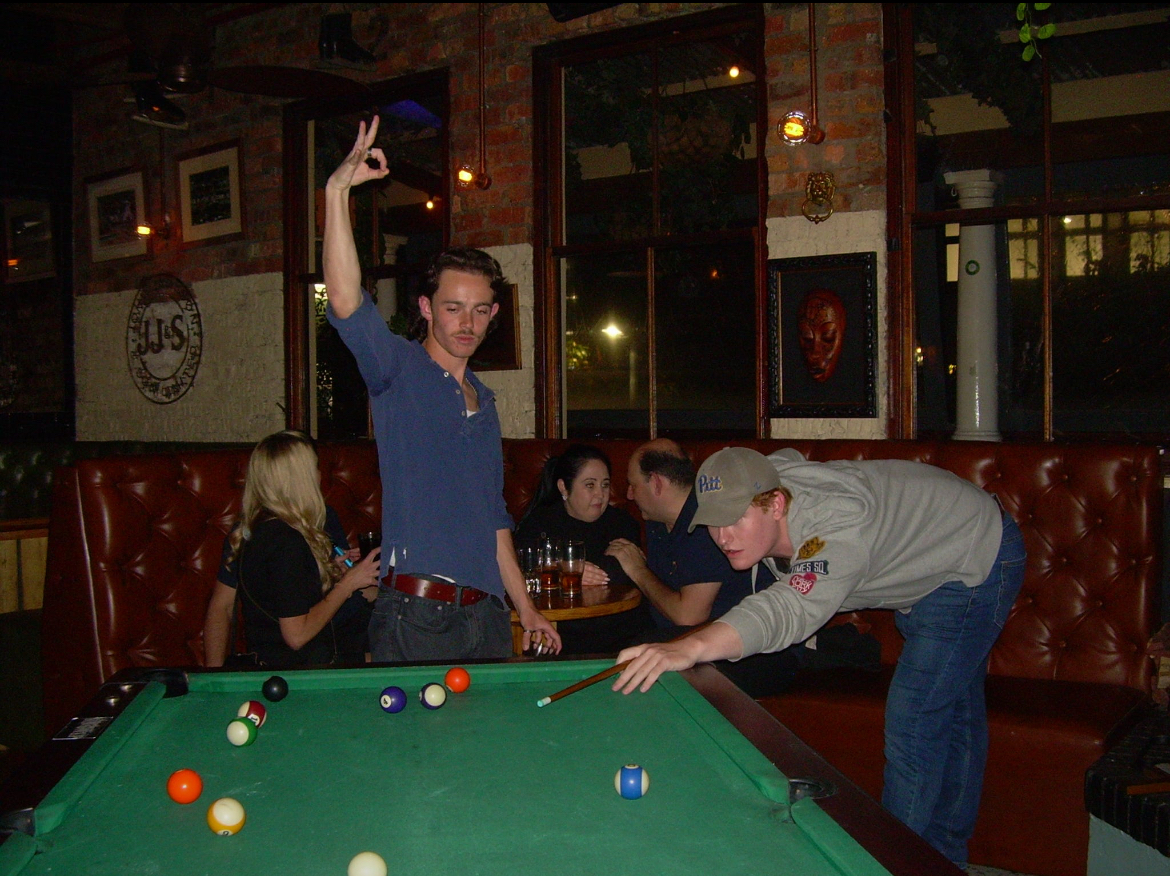
Aside from the museums however, we were heavily encouraged to go and explore the cities, to make plans during our free days or afternoons. We would go to bars, try the local wine and food. We would do plenty of hiking, sometimes bringing enough water and snacks and other times we were not so prepared. Occasionally we would chew the fat with South African locals or other visitors, converse about what we must do or try during our time there or perhaps [just take in] the beauty of the country.As students, we thought we were pulling a fast one. Our silly professors were actually encouraging us to push off assignments to go explore the city and stuff our faces with delicious food? Their encouragement met little resistance, "Sure thing professor, I can absolutely go check out a jazz bar tonight on my own instead of that paper you asked me to do. Doctor’s orders after all. You’re right, what’s a day late when you’re in a foreign country?"
I didn’t begin to realize I was falling directly into the trap the class had set until I started citing examples of what I saw on my adventures during class. Maybe I’d bring up a comment from a local that seemed related to apartheid, or perhaps the noticeable beautiful green spaces of one part of Cape Town compared to another.
Hook, line, and sinker. Of course, this subconscious witnessing was planned by the professors all along. But I was none the wiser until I got first-hand experiences. At the end of the trip, I was able to reflect on how much I had learned about South African politics, social justice, and beauty under the concept of “witnessing,” despite having that label take a back seat for most of the trip.
Graham Barton--
Link to full Story Map -
1
media/IMG_D426B47E39E6-1.jpeg
2024-10-17T19:46:49+00:00
Movement
19
"John teasingly poked fun at me, “Maya said she ‘needs’ to see the sunset everyday so I’m moving class to after the sun sets.” As much as he was joking, there’s one hundred percent truth to that statement. It’s impossible for me to stay away from the call of the sea when I’m surrounded by the rugged, towering mountains and an open blue sky that promises a glimpse into the painted heavens when the sun dips below the horizon at the end of the day. " Maya Valletta, Pitt 2024
plain
2025-03-28T15:17:01+00:00
As visitors to South Africa from the United States, we move freely and at speed. Our itinerary is built by faculty and in partnership with our local providers, Edu Africa.
Our bodies can barely catch up with the distinctions we see in security, sanitation services and population densities.
We move with ease.
We walk in a group, we travel by mini-bus, we are unencumbered by visa restriction.
South Africa welcomes us warmly and graciously as guests.
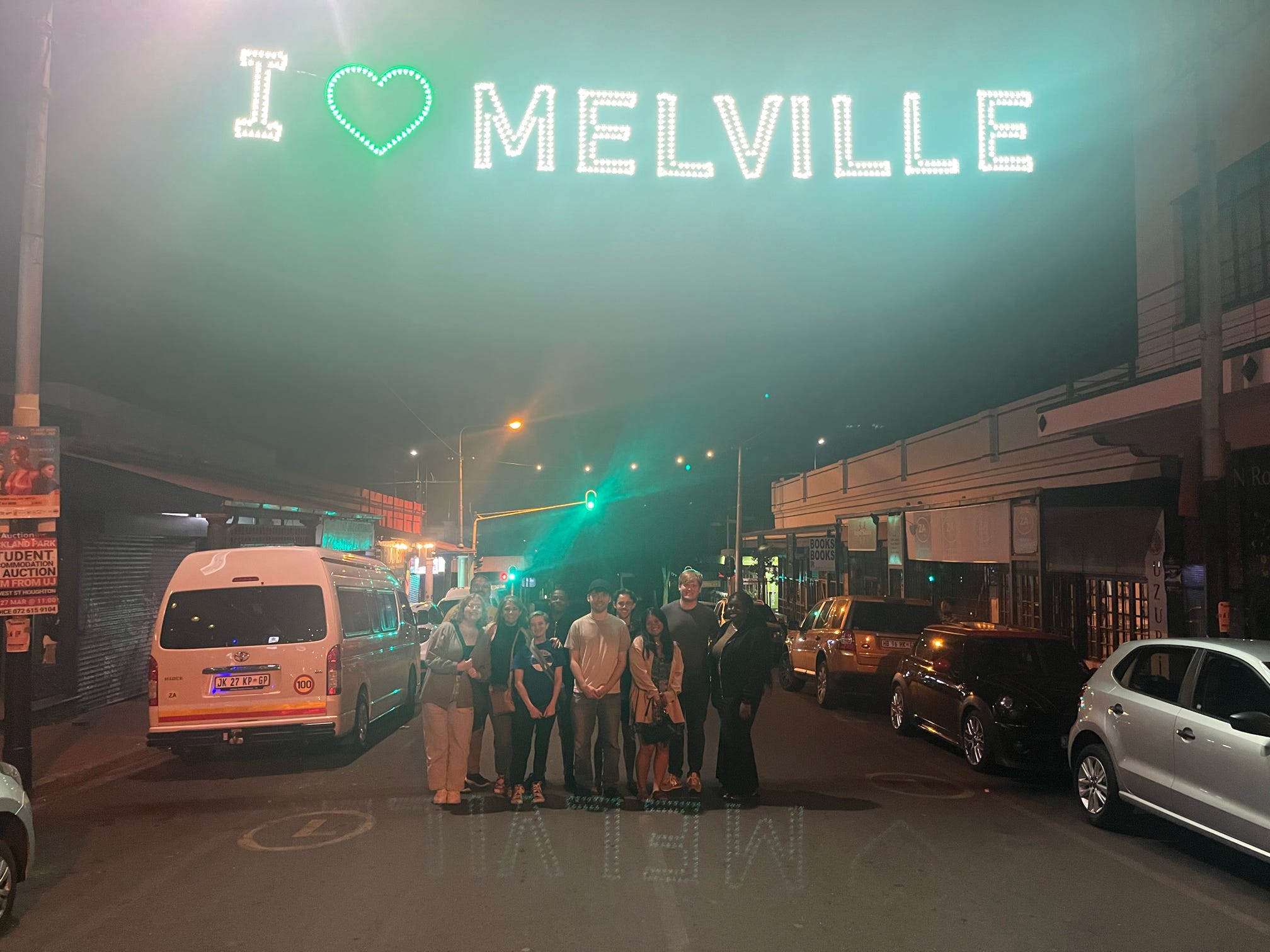
The fluidity of our movement and the richness of our explorations is not lost on us. We observe inequitable access to basic mobility, public and private transport, by class and across the legacies of apartheid. We see its residual effects on the economy and the South African population each day. We move quickly from our guest house or hotel breakfast to streets where young and old alike, are hungry. We give uneaten food, from portions too large to consume in a single sitting, to those unsure of where their next meal might come from, where shelter is insecure, out on the street or in informal settlements. We move from art collectives like the Center for the Less Good Idea in downtown Johannesburg to the hip and cozy Melville, in a smooth and brief mini-bus ride. But the worlds are starkly different.We move alongside a society in the throes of its own development, growth and emergence from a rigid and restrictive past. We acknowledge our freedoms and take care to pay attention to the distinctions in these relationships. We watch the well-heeled in fancy cars move along at high speeds on highways. In contrast, we see cows, sheep and herders, sometimes young children, walk along edges of these same thoroughfares.
SOUND
We register the differences and start to consider how these distinct truths indeed live right alongside one another.Tumi Fadare --
The Plug is a restaurant near the entrance of the "L" in Melville. This restaurant is known for its slow food delivery, copious amounts of substances being inhaled and exhaled, and a speaker system loud enough to fill Heinz Field on any day.It is also where I experienced Black Joy in South Africa for the first time.
The dimly lit outdoor space with overcrowded seat placement gave much room for the dance floor to be highlighted in front of the DJ. This would
be a scene I would come to know soon. As we sat down at the table, the smell of cigarette smoke in the air irritated my already heightened emotions. The Apartheid Museum had set a somber tone for the week, with images of the horrific acts committed by the former South African government.
As conversations continued and the late arrival of my meal became more noticeable, the sounds of the tunes coming from the DJ began to dominate my mind.
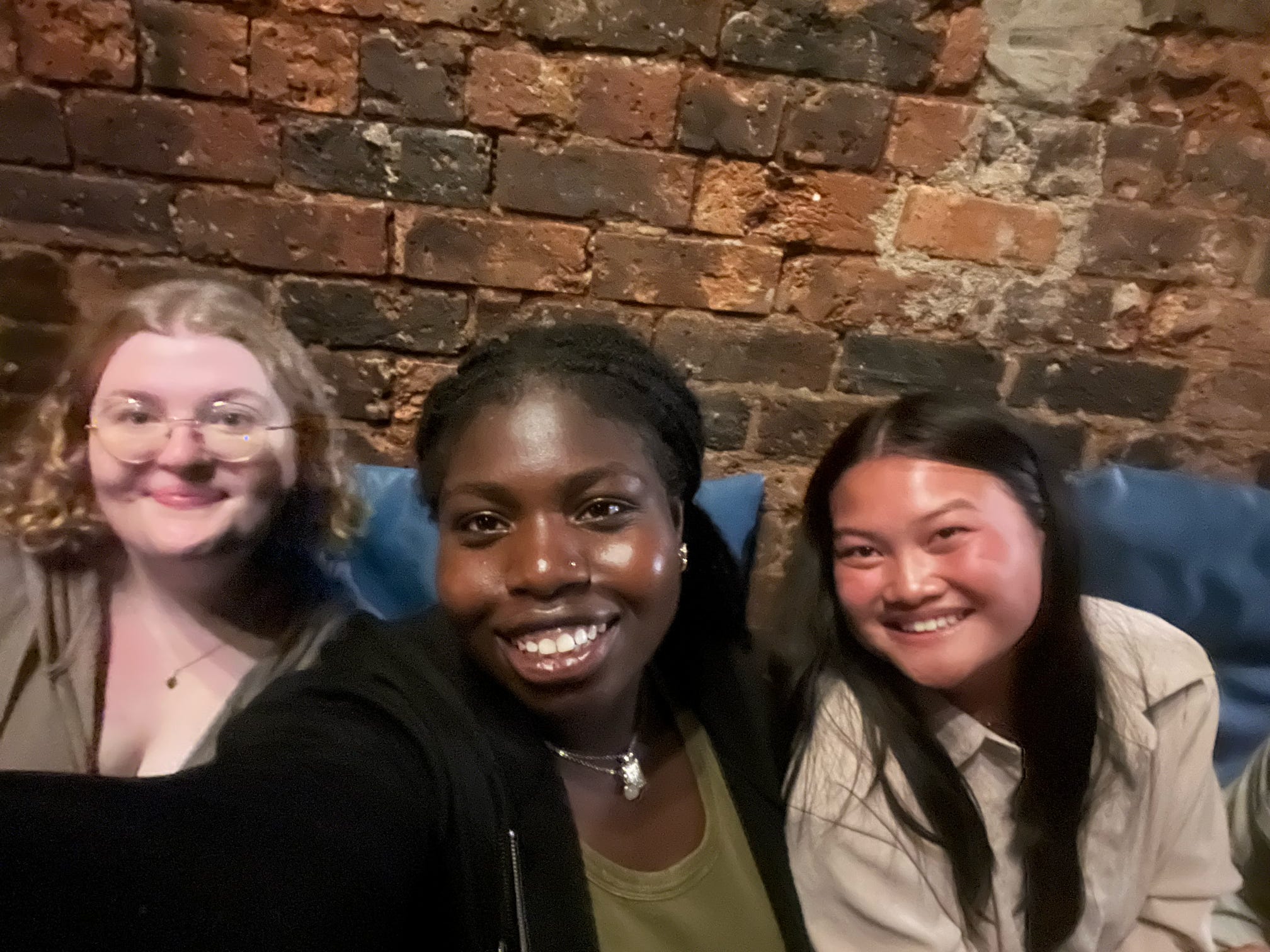
The beautiful blend of old tunes mixed with African beats made me wonder about the choice of music. Lauryn Hill and the Fugees' “Fu-Gee-La” was an interesting take as the “ooh la la la” blended calmly into the Amapiano background. After some reflection, I realized why. The old songs, mixed with contemporary African beats, symbolized a blend of history and present joy. Despite the increasing smoke in the room from various substances, the atmosphere filled with conversations and laughter. As my eyes scanned the room, I noticed a diverse crowd: Black, Colored, Asian, and White people all gathered in one place. Earlier in the day, I learned that The Group Areas Act of 1950 would have deemed this gathering a felony just seventy-four years ago.My stomach still grumbling in anger, I decided to immerse myself in the unique scene. Pushing our way through the crowd and gliding to the dance floor with Maya was the best decision of that night. As we made our way to the dance floor, the joy of the room began to overtake me. Now I stood on the shiny dance floor with the music from the DJ’s equipment blasting louder than ever before.
The African beats mixed with the 90’s tunes created an infectious energy.As I swayed my body side to side on the tan tiles within this garage-turned-outdoor restaurant, I realized that just a few years back, it would have been illegal to dance with Maya and have dinner with such a racially diverse group. As more people joined the dance floor, the vibrant atmosphere of songs that the country once wished everyone could dance to before 1994 was on full display. The choreographed dance moves seemed to be a favorite among the South African locals. Left foot.. Right foot.. Hip twist.. Turn.
I struggled as one of the dancing locals with a mojito in his hand tried to teach me the dance moves. Taking my seat soon after, I watched in joy as the dance floor filled. The sound of laughter accompanied every pounding step of the dance.

.JPG)